
The cleanest finish starts with a better conversation.
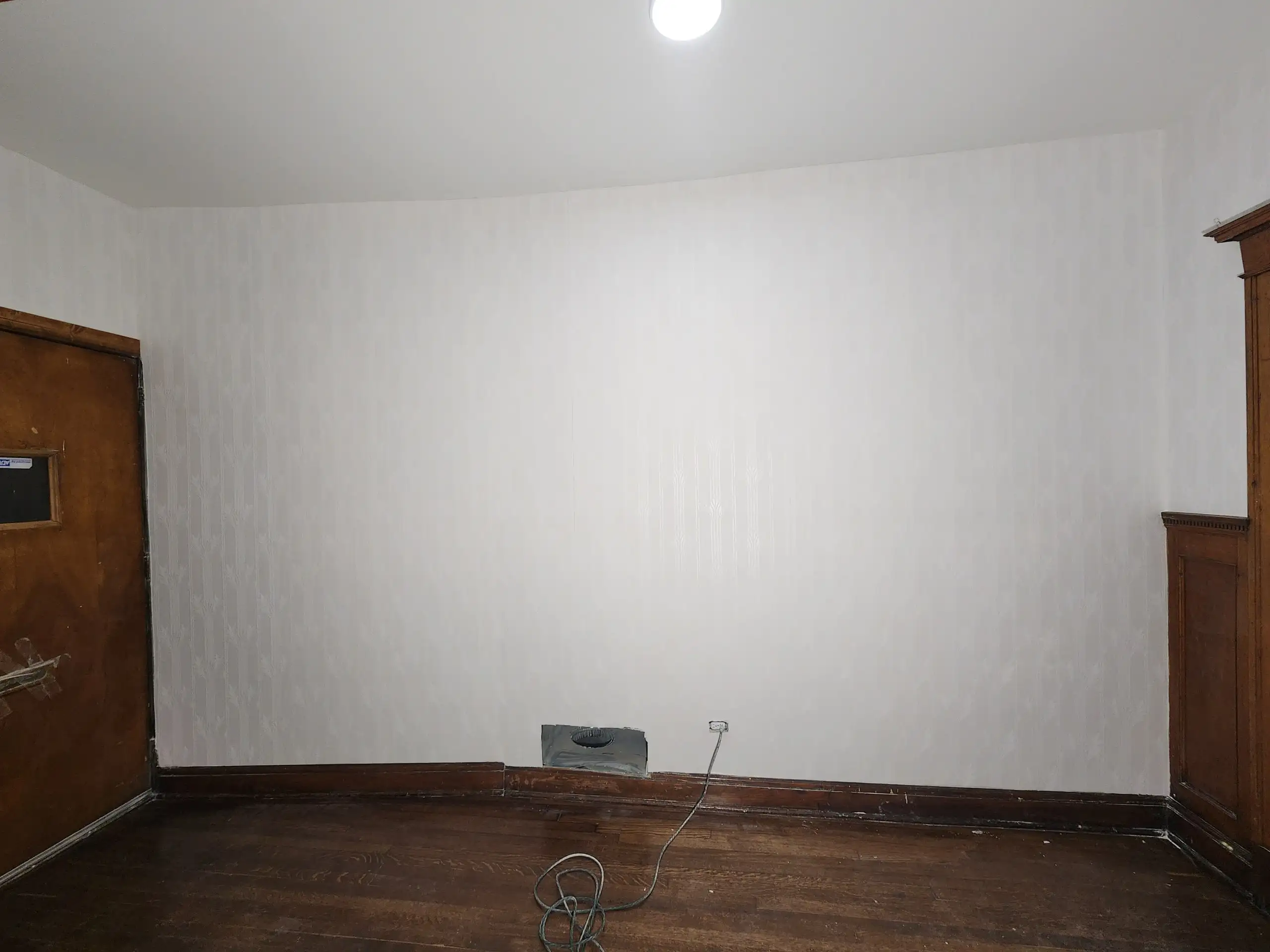
Before a pattern goes up, the wall gets a closer look.
Wallpaper installation is shaped by the surface beneath the material. Existing paint, old adhesive, texture, patches, corners, windows, and outlets can all influence the way the work should be planned.
That does not mean you need to diagnose the wall yourself. A call is a useful place to start, especially when you are still deciding what kind of finish you want.
Different wallcoverings ask different questions.
Traditional wallpaper, peel-and-stick products, murals, textured materials, and designer papers may have different handling and surface considerations.
Pattern repeat
Large or directional repeats may affect layout and where the first strip begins.
Surface condition
Texture, residue, and uneven areas can show through or affect adhesion.
Edges & openings
Corners, trim, doors, windows and outlets need a plan, not an afterthought.
Room use
The space itself helps shape a practical material and finish conversation.
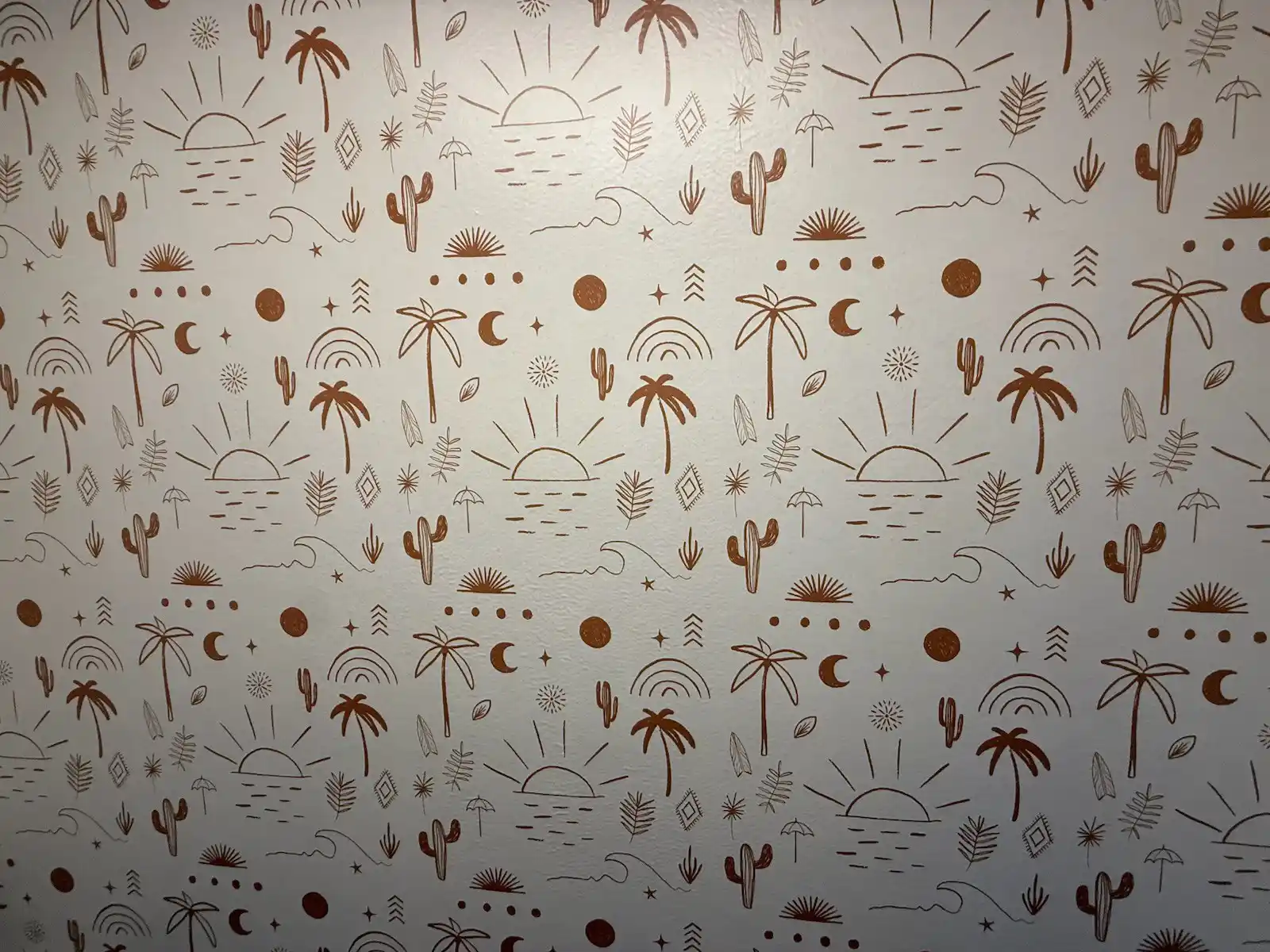
Pattern alignment is a form of quiet precision.
Once the scope and material are clear, the work can move toward preparation, layout, hanging, seam work, and finishing. The goal is not to hide the character of the wallpaper. It is to help the design read as one intentional surface.
Customers can ask whether an on-site consultation, wall inspection, or measurements can be arranged for their project. Any visit is by request and subject to confirmation.
Talk through your projectBring the question you have today.
Call or send a short request. Photos, measurements, and product details can be useful later, but they are not prerequisites for making contact.